_edited.png)
.png)


ACCREDITATIONS


Clients





RESULTS-ORIENTED Training Description
Course Duration
1 Day
Training Delivery Method
Classroom (Instructor-Led) or Online (Instructor-Led)
Instructors Languages
English / Arabic / Urdu / Hindi / Pashto
Certification Provider
Tamkene Training Services - Approved by TVTC (Technical and Vocational Training Corporation)
Certificate Validity
2 Years (Extendable with additional training hours)
Course Average Passing Rate
97%
Competency Assessment Criteria
Practical Assessment and Knowledge Assessment
Post Training Reporting
Post Training Report(s) + Candidate(s) Training Evaluation Forms
Training Design Methodology
ADDIE Training Design Methodology
Certificate of Successful Completion
Certification is provided upon successful completion. The certificate can be verified through a QR-Code system.
Course Overview
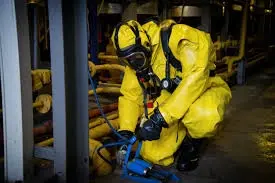
This comprehensive HAZWOPER training course provides participants with essential knowledge and practical skills required for safe operations involving hazardous waste and emergency response activities. The course covers fundamental hazardous materials management principles along with critical techniques for site safety, personal protective equipment selection, and emergency procedures aligned with OSHA 29 CFR 1910.120 Hazardous Waste Operations and Emergency Response standard and EPA 40 CFR 311 Worker Protection requirements.
Participants will learn to apply industry best practices and regulatory requirements to identify hazards, implement control measures, and respond effectively to hazardous materials incidents. This course combines theoretical concepts with practical applications and real-world case studies to ensure participants gain valuable skills applicable to their professional environment while emphasizing worker safety and environmental protection.
Key Learning Objectives
Understand regulatory requirements under OSHA 29 CFR 1910.120 and EPA 40 CFR 311
Identify and assess hazardous materials and waste site hazards
Select and use appropriate personal protective equipment for hazardous operations
Implement safe work practices for hazardous waste operations
Apply decontamination procedures and protocols
Respond to hazardous materials emergencies and spills
Recognize medical surveillance and health monitoring requirements
Implement site control and safety planning procedures
Course Outline
1. Introduction to HAZWOPER
Regulatory framework including (OSHA 29 CFR 1910.120 scope, EPA 40 CFR 311 requirements, state regulations)
HAZWOPER program elements including (safety and health program, medical surveillance, training requirements)
Roles and responsibilities including (site safety officer, competent person, emergency coordinator)
Hazardous waste classifications including (EPA RCRA waste categories, DOT hazard classes, characteristic wastes)
Site operations covered including (treatment storage and disposal facilities, cleanup operations, emergency response)
Worker categories and training levels including (general site workers, occasional site workers, management and supervisors)
Incident command system basics including (organizational structure, unified command, resource management)
2. Hazard Recognition and Assessment
Physical hazards including (confined spaces, excavations, unstable structures)
Chemical hazards including (toxicity, flammability, reactivity, corrosivity)
Biological hazards including (bloodborne pathogens, contaminated materials, infectious waste)
Radiological hazards including (ionizing radiation, contaminated equipment, exposure pathways)
Site characterization methods including (preliminary assessment, visual inspection, monitoring)
Safety Data Sheets interpretation including (hazard identification, exposure limits, emergency measures)
Air monitoring and sampling including (direct-reading instruments, personal sampling, action levels)
Risk Assessment Matrix application including (probability evaluation, severity determination, control prioritization)
3. Personal Protective Equipment Selection and Use
PPE levels under OSHA 29 CFR 1910.120 including (Level A, Level B, Level C, Level D)
Respiratory protection including (SCBA, APR, PAPR, NIOSH certification requirements)
Chemical protective clothing including (material compatibility, permeation rates, degradation)
Ensemble selection criteria including (hazard assessment, exposure potential, work requirements)
PPE donning and doffing procedures including (buddy system, sequence protocols, contamination prevention)
PPE inspection and maintenance including (pre-use checks, storage requirements, service life)
Heat stress management including (work-rest cycles, hydration, physiological monitoring)
Communication in PPE including (hand signals, radio procedures, buddy system protocols)
4. Site Control and Work Zones
Site control measures including (exclusion zone, contamination reduction zone, support zone)
Access control including (entry points, security, authorized personnel)
Site mapping and communication including (zone designation, visual markers, emergency routes)
Standard operating procedures including (safe work permits, job hazard analysis, pre-entry briefings)
Buddy system implementation including (visual contact, communication protocols, emergency assistance)
Environmental monitoring including (perimeter monitoring, action levels, exposure assessment)
Site safety plans including (HASP components, emergency procedures, contingency planning)
5. Decontamination Procedures
Decontamination principles including (contamination prevention, removal methods, disposal)
Decontamination line setup including (stations, equipment placement, personnel flow)
Decontamination methods including (physical removal, chemical neutralization, sterilization)
Personnel decontamination including (gross decontamination, clothing removal, skin cleaning)
Equipment decontamination including (tools, instruments, reusable PPE)
Emergency decontamination including (rapid decon procedures, emergency showers, first aid)
Waste minimization including (source reduction, segregation, disposal classification per EPA RCRA)
Decontamination effectiveness verification including (monitoring, testing, clearance criteria)
6. Emergency Response and Spill Control
Emergency response planning including (notification procedures, evacuation routes, assembly points)
Spill assessment including (material identification, quantity estimation, hazard evaluation)
Containment techniques including (dikes, booms, absorbents, plugging and patching)
Spill cleanup procedures including (neutralization, absorption, solidification)
Personal protection during response including (upwind positioning, safe distances, monitoring)
Incident command activation including (initial response, unified command, resource requests)
Fire and explosion prevention including (ignition source control, flammable limits, explosion-proof equipment)
First aid and medical emergency response including (exposure treatment, transport procedures, medical consultation)
7. Medical Surveillance and Health Monitoring
Medical surveillance requirements under OSHA 29 CFR 1910.120 including (baseline exams, periodic exams, termination exams)
Medical monitoring triggers including (exposure incidents, symptoms, respirator use)
Biological monitoring including (biomarkers, exposure indicators, trend analysis)
Heat stress monitoring including (core temperature, heart rate, hydration status)
Cold stress recognition including (frostbite, hypothermia, wind chill effects)
Exposure documentation including (medical records, exposure logs, incident reports)
Fitness for duty including (physical capabilities, medical restrictions, work limitations)
Confidentiality requirements including (medical record privacy, disclosure protocols, employee access)
1. Introduction to HAZWOPER
Regulatory framework including (OSHA 29 CFR 1910.120 scope, EPA 40 CFR 311 requirements, state regulations)
HAZWOPER program elements including (safety and health program, medical surveillance, training requirements)
Roles and responsibilities including (site safety officer, competent person, emergency coordinator)
Hazardous waste classifications including (EPA RCRA waste categories, DOT hazard classes, characteristic wastes)
Site operations covered including (treatment storage and disposal facilities, cleanup operations, emergency response)
Worker categories and training levels including (general site workers, occasional site workers, management and supervisors)
Incident command system basics including (organizational structure, unified command, resource management)
2. Hazard Recognition and Assessment
Physical hazards including (confined spaces, excavations, unstable structures)
Chemical hazards including (toxicity, flammability, reactivity, corrosivity)
Biological hazards including (bloodborne pathogens, contaminated materials, infectious waste)
Radiological hazards including (ionizing radiation, contaminated equipment, exposure pathways)
Site characterization methods including (preliminary assessment, visual inspection, monitoring)
Safety Data Sheets interpretation including (hazard identification, exposure limits, emergency measures)
Air monitoring and sampling including (direct-reading instruments, personal sampling, action levels)
Risk Assessment Matrix application including (probability evaluation, severity determination, control prioritization)
3. Personal Protective Equipment Selection and Use
PPE levels under OSHA 29 CFR 1910.120 including (Level A, Level B, Level C, Level D)
Respiratory protection including (SCBA, APR, PAPR, NIOSH certification requirements)
Chemical protective clothing including (material compatibility, permeation rates, degradation)
Ensemble selection criteria including (hazard assessment, exposure potential, work requirements)
PPE donning and doffing procedures including (buddy system, sequence protocols, contamination prevention)
PPE inspection and maintenance including (pre-use checks, storage requirements, service life)
Heat stress management including (work-rest cycles, hydration, physiological monitoring)
Communication in PPE including (hand signals, radio procedures, buddy system protocols)
4. Site Control and Work Zones
Site control measures including (exclusion zone, contamination reduction zone, support zone)
Access control including (entry points, security, authorized personnel)
Site mapping and communication including (zone designation, visual markers, emergency routes)
Standard operating procedures including (safe work permits, job hazard analysis, pre-entry briefings)
Buddy system implementation including (visual contact, communication protocols, emergency assistance)
Environmental monitoring including (perimeter monitoring, action levels, exposure assessment)
Site safety plans including (HASP components, emergency procedures, contingency planning)
5. Decontamination Procedures
Decontamination principles including (contamination prevention, removal methods, disposal)
Decontamination line setup including (stations, equipment placement, personnel flow)
Decontamination methods including (physical removal, chemical neutralization, sterilization)
Personnel decontamination including (gross decontamination, clothing removal, skin cleaning)
Equipment decontamination including (tools, instruments, reusable PPE)
Emergency decontamination including (rapid decon procedures, emergency showers, first aid)
Waste minimization including (source reduction, segregation, disposal classification per EPA RCRA)
Decontamination effectiveness verification including (monitoring, testing, clearance criteria)
6. Emergency Response and Spill Control
Emergency response planning including (notification procedures, evacuation routes, assembly points)
Spill assessment including (material identification, quantity estimation, hazard evaluation)
Containment techniques including (dikes, booms, absorbents, plugging and patching)
Spill cleanup procedures including (neutralization, absorption, solidification)
Personal protection during response including (upwind positioning, safe distances, monitoring)
Incident command activation including (initial response, unified command, resource requests)
Fire and explosion prevention including (ignition source control, flammable limits, explosion-proof equipment)
First aid and medical emergency response including (exposure treatment, transport procedures, medical consultation)
7. Medical Surveillance and Health Monitoring
Medical surveillance requirements under OSHA 29 CFR 1910.120 including (baseline exams, periodic exams, termination exams)
Medical monitoring triggers including (exposure incidents, symptoms, respirator use)
Biological monitoring including (biomarkers, exposure indicators, trend analysis)
Heat stress monitoring including (core temperature, heart rate, hydration status)
Cold stress recognition including (frostbite, hypothermia, wind chill effects)
Exposure documentation including (medical records, exposure logs, incident reports)
Fitness for duty including (physical capabilities, medical restrictions, work limitations)
Confidentiality requirements including (medical record privacy, disclosure protocols, employee access)
Group Exercises
Collaborative site safety planning exercise based on Middle East industrial scenarios including (developing HASP for contaminated site, establishing work zones, creating emergency procedures)
The importance of proper training in preventing exposures and ensuring safe hazardous waste operations and emergency response
Gained Core Technical Skills
Hazardous waste and materials identification and classification
PPE selection and use per OSHA 29 CFR 1910.120 levels
Site control and work zone establishment
Decontamination procedures and protocols
Emergency response and spill containment techniques
Air monitoring and exposure assessment
Medical surveillance program understanding
Site safety and health plan development
Risk Assessment Matrix application
Incident command system basics
Services Geographical Coverage
In Tamkene Training Center or at our client's facility (On-Site), Covering All Saudi Arabia Cities and Locations:
Targeted Audience
Environmental Technicians working at hazardous waste sites
Emergency Response Personnel handling hazmat incidents
Site Remediation Workers performing cleanup operations
Industrial Hygienists monitoring hazardous exposures
Facility Personnel at TSD facilities
Safety Coordinators managing HAZWOPER programs
Maintenance Personnel working with hazardous materials
Contractors performing work at contaminated sites
Practical Assessment
PPE donning and doffing demonstration including (proper sequence for Level C ensemble, buddy check procedures, contamination avoidance)
Decontamination line setup including (establishing three-station decon line with proper equipment, demonstrating personnel decontamination procedure)
Emergency response simulation including (assessing simulated spill scenario, implementing containment measures, coordinating emergency notification and response under supervision)
Theoritical Assessment
Technical quizzes on HAZWOPER regulations including (multiple-choice questions on OSHA 29 CFR 1910.120 requirements, matching exercises for PPE levels and hazard types)
Hazard recognition scenarios including (identifying chemical hazards from SDS, classifying waste materials per EPA RCRA, determining appropriate monitoring)
PPE selection exercises including (choosing correct protection level based on site conditions, identifying respirator requirements, evaluating chemical compatibility)
Emergency response case analysis including (developing spill response plan for chemical release, establishing decontamination line for contaminated personnel, activating incident command)
Why Choose This Course
Comprehensive coverage of OSHA 29 CFR 1910.120 regulatory requirements
Integration of theoretical knowledge with hands-on practical skills
Focus on real-world emergency response scenarios
Emphasis on proper PPE selection and decontamination procedures
Practical site control and safety planning techniques
Medical surveillance and health monitoring understanding
Regional case studies addressing Middle East industrial contexts
Note: This course outline, including specific topics, modules, and duration, can be customized based on the specific needs and requirements of the client.
Just Get In Touch Now, We Will Do The Rest!


.webp)
Recommended Courses

.webp)


Suggested Questions

.webp)
The training I received from Tamkene was truly exceptional.
Dalal AlSaeed

.webp)
Choosing Tamkene for our professional development was a game-changer.
Wafi AlZayer

.webp)
Tamkene delivered quality training with a strong focus on standards. The organization and delivery exceeded our expectations.
Saad AlMisehal
Testimonial