_edited.png)
%20Training%20Course.webp)
.png)


ACCREDITATIONS


Clients




RESULTS-ORIENTED Training Description
Course Duration
2 Days
Training Delivery Method
Classroom (Instructor-Led) or Online (Instructor-Led)
Instructors Languages
English / Arabic
Certification Provider
IADC WELLSHARP - USA
Certificate Validity
2 Years
Course Average Passing Rate
98%
Competency Assessment Criteria
Knowledge Assessment
Post Training Reporting
Post Training Report + Candidate(s) Training Evaluation Forms
Training Design Methodology
ADDIE Training Design Methodology
Certificate of Successful Completion
Certification is provided upon successful completion. The certificate can be verified through a QR-Code system.
Course Overview
The IADC WellSharp® - Drilling Operations Introductory (Level 2) course is designed for rig personnel who need a fundamental understanding of well control principles. This course covers key topics such as well control concepts, mud and pit management, kick detection, shut-in procedures, and equipment operation. It is ideal for individuals in roles such as derrickhands, floorhands, mud engineers, and other non-supervisory positions. The course combines theoretical knowledge with practical elements to ensure participants are well-prepared to contribute to safe drilling operations.
Key Learning Objectives
Understand basic well control concepts, including hydrostatic pressure, bottomhole pressure, and the balance-overbalance-underbalance relationship.
Learn how to calculate hydrostatic pressure, pipe displacement, and annular volume.
Gain knowledge of mud and pit management, including mud functions, types, and the importance of regular mud weight and viscosity measurements.
Identify the causes of kicks, such as mud weight reduction, losses, and swabbing, and understand how to prevent them.
Recognize abnormal pressure warning signs and understand the importance of early kick detection.
Learn proper shut-in procedures for both surface and subsea operations.
Understand the role of equipment in well control, including BOP systems, choke manifolds, and mud gas separators.
Participate in practical drills, including pit drills, trip drills, and diverter drills, to reinforce learning.
Course Outline
1. Well Control Concepts
Well Control Terminology & Formation Characteristics
Formation Fluids and Pressure
Mud Hydrostatic Pressure
Bottomhole Pressure
Balance-Overbalance-Underbalance
Kick
Blowout
Formation Strength
Shallow Gas
Barriers
U-Tube
2. Calculations
Force, Area, Pressure
Hydrostatic Pressure
Volume of Pits
Pipe Displacement & Capacity
Annular Capacity & Volume
3. Mud & Pit Management
Mud Functions
Types of Muds
Cement
Completion Fluid
Mud Weight & Viscosity
Mud Balance
4. Risk Management
Risk Management
Well Plan
5. Causes of Kicks
Reduction of Mud Weight or Mud Level
Mud Weight
Losses
Failure to Keep Hole Full
Swabbing & Surging
Abnormal Formation Pressure
6. Abnormal Pressure Warning Signs
Cuttings and Cavings - Shape, Size, and Volume
Mud Condition
Consequence of Not Communicating
7. Kick Detection
Pit Gain
Mud Flow
Flow with Pump Off
Incorrect Hole Fill
Well Monitoring Alarms
Why Early Detection is Critical
Difficulty with Detection Subsea
False Kick Indicators
8. Shut-In Procedures and Verification (Surface and Subsea)
Shut-In Process-Surface
Shut-In Process-Subsea
Diverting
9. Post Shut-In Monitoring & Activities
Recordkeeping - Pit Level
10. Well Control Drills
Pit Drills
Trip Drills
Diverter Drills
11. Well Control Methods
Main Methods: Driller's and Wait & Weight
Role of Crew During a Well Kill
12. Kill Sheet and Pre-Recorded Data
Kill Sheets
Pre-Recorded Data
13. Equipment
Pit Level
Mud Returns
Suction and Return Pits
Mud Mixing Equipment
Mud Cleaning Equipment
Trip Tank System & Trip Monitoring
Design of BOP System within Kill Process
Correct Manifold Alignment
Surface and Subsea Variations
Well Control Equipment Tests
Annulars - Surface and Subsea
Rams - Surface and Subsea
Wellheads & Connectors
Choke & Kill Lines, HCRs & Fallsafes, String Valves & Floats
Standpipe Manifold
Choke Manifold
Chokes
Pump & Stroke Counter
Pressure Gauges
Closing Unit & Control Panel: Basic Function - Surface and Subsea
Mud Gas Separator & Degasser - General Purpose in Well Control
1. Well Control Concepts
Well Control Terminology & Formation Characteristics
Formation Fluids and Pressure
Mud Hydrostatic Pressure
Bottomhole Pressure
Balance-Overbalance-Underbalance
Kick
Blowout
Formation Strength
Shallow Gas
Barriers
U-Tube
2. Calculations
Force, Area, Pressure
Hydrostatic Pressure
Volume of Pits
Pipe Displacement & Capacity
Annular Capacity & Volume
3. Mud & Pit Management
Mud Functions
Types of Muds
Cement
Completion Fluid
Mud Weight & Viscosity
Mud Balance
4. Risk Management
Risk Management
Well Plan
5. Causes of Kicks
Reduction of Mud Weight or Mud Level
Mud Weight
Losses
Failure to Keep Hole Full
Swabbing & Surging
Abnormal Formation Pressure
6. Abnormal Pressure Warning Signs
Cuttings and Cavings - Shape, Size, and Volume
Mud Condition
Consequence of Not Communicating
7. Kick Detection
Pit Gain
Mud Flow
Flow with Pump Off
Incorrect Hole Fill
Well Monitoring Alarms
Why Early Detection is Critical
Difficulty with Detection Subsea
False Kick Indicators
8. Shut-In Procedures and Verification (Surface and Subsea)
Shut-In Process-Surface
Shut-In Process-Subsea
Diverting
9. Post Shut-In Monitoring & Activities
Recordkeeping - Pit Level
10. Well Control Drills
Pit Drills
Trip Drills
Diverter Drills
11. Well Control Methods
Main Methods: Driller's and Wait & Weight
Role of Crew During a Well Kill
12. Kill Sheet and Pre-Recorded Data
Kill Sheets
Pre-Recorded Data
13. Equipment
Pit Level
Mud Returns
Suction and Return Pits
Mud Mixing Equipment
Mud Cleaning Equipment
Trip Tank System & Trip Monitoring
Design of BOP System within Kill Process
Correct Manifold Alignment
Surface and Subsea Variations
Well Control Equipment Tests
Annulars - Surface and Subsea
Rams - Surface and Subsea
Wellheads & Connectors
Choke & Kill Lines, HCRs & Fallsafes, String Valves & Floats
Standpipe Manifold
Choke Manifold
Chokes
Pump & Stroke Counter
Pressure Gauges
Closing Unit & Control Panel: Basic Function - Surface and Subsea
Mud Gas Separator & Degasser - General Purpose in Well Control
Group Exercises
Converting between different pressure units and gradients
Calculating basic hydrostatic pressures for various fluid columns
Identifying primary and secondary barriers in different operational scenarios
Recognizing kick warning signs from operational data
Determining appropriate responses for various well control situations
Matching equipment components to their functions and purposes
Interpreting basic pressure readings and their significance
Analyzing case studies for proper and improper well control responses
Gained Core Technical Skills
Basic understanding of well control principles and terminology
Recognition of well control warning signs and indicators
Familiarity with well control equipment components and functions
Appropriate response within defined role during well control events
Effective communication during normal and emergency operations
Awareness of personal responsibilities in barrier maintenance
Understanding of hazards associated with loss of well control
Compliance with fundamental well control procedures
Services Geographical Coverage
In Tamkene Training Center or at our client's facility (On-Site), Covering All Saudi Arabia Cities and Locations:
Targeted Audience
The IADC WellSharp - Drilling Operations Introductory (Level 2) course is designed for:
New Drilling Personnel
Rig Crew Members (e.g., roughnecks, roustabouts)
Entry-Level Drilling Technicians
Trainees and Apprentices
Non-Operational Staff seeking foundational drilling knowledge
Anyone new to well control and drilling operations
Practical Assessment
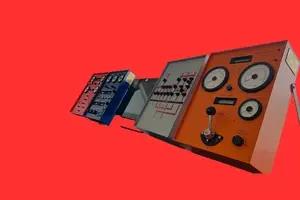
Practical assessment is not required by IADC WellSharp. A DrillSim-50 Simulator is available and optional.
Theoritical Assessment
Drilling Fundamentals and Rig Systems
Well Control and Safety Procedures
Drilling Operational Procedures
Industry Regulations and Compliance
Technical Problem-Solving and Decision Making
Why Choose This Course
Foundational Knowledge: Learn the basics of well control and drilling operations.
Hands-On Training: Practice essential skills through simulations and practical exercises.
Industry Certification: Earn the IADC WellSharp Introductory Certification, recognized globally.
Safety Focus: Understand OSHA, API, and IADC safety standards for drilling operations.
Career Starter: Build a strong foundation for a career in the drilling industry.
Expert Guidance: Learn from experienced instructors with real-world expertise.
Global Relevance: Suitable for both onshore and offshore drilling environments.
Note: This course outline, including specific topics, modules, and duration, is subject to change and also can be customized based on the specific needs and requirements of the client.
Just Get In Touch Now, We Will Do The Rest!


%20Training%20Course.webp)

Recommended Courses

.webp)


Suggested Questions

.webp)
The training I received from Tamkene was truly exceptional.
Dalal AlSaeed

.webp)
Choosing Tamkene for our professional development was a game-changer.
Wafi AlZayer

.webp)
Tamkene delivered quality training with a strong focus on standards. The organization and delivery exceeded our expectations.
Saad AlMisehal
Testimonial