_edited.png)
.png)


ACCREDITATIONS


Clients
.png)
%20(2).png)
%20(3).png)
%20(6).png)
%20(7).png)
RESULTS-ORIENTED Training Description
Course Duration
1 Day
Training Delivery Method
Classroom (Instructor-Led)
Instructors Languages
English / Arabic / Urdu / Hindi / Pashto
Certification Provider
Tamkene Saudi Training Center - Approved by TVTC (Technical and Vocational Training Corporation)
Certificate Validity
2 Years (Extendable with additional training hours)
Course Average Passing Rate
96%
Competency Assessment Criteria
Practical Assessment and Knowledge Assessment
Post Training Reporting
Post Training Report(s) + Candidate(s) Training Evaluation Forms
Training Design Methodology
ADDIE Training Design Methodology
Certificate of Successful Completion
Certification is provided upon successful completion. The certificate can be verified through a QR-Code system.
Course Overview
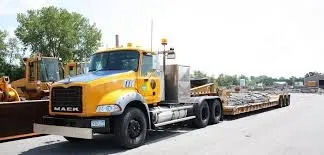
This intensive Lowboy Trailer Operator training course provides participants with essential knowledge and practical skills required for safe and efficient operation of lowboy trailers in heavy equipment transportation. The course covers fundamental trailer operation principles along with critical safety procedures for loading, securing, transporting, and unloading heavy machinery and oversized cargo.
Participants will learn to apply industry best practices and regulations including FMCSA 49 CFR 393 for parts and accessories necessary for safe operation, OSHA 29 CFR 1910.178 for powered industrial truck operation, and DOT cargo securement regulations. This course combines theoretical concepts with practical applications to ensure participants gain valuable skills applicable to their professional environment while emphasizing load security, weight distribution, and regulatory compliance. The training focuses on developing competent operators who can perform pre-trip inspections, execute proper loading procedures, apply effective cargo securement methods, and navigate safely with oversized loads in diverse operating environments.
Key Learning Objectives
Understand lowboy trailer types, components, and operational characteristics
Perform comprehensive pre-trip and post-trip inspections per FMCSA 49 CFR 396
Execute safe loading and unloading procedures for heavy equipment
Apply proper cargo securement techniques compliant with 49 CFR 393 Subpart I
Calculate and manage weight distribution and axle loading
Navigate safely with oversized loads and wide turns
Comply with permit requirements and route restrictions
Recognize and respond to operational hazards and emergency situations
Course Outline
1. Introduction to Lowboy Trailers
Lowboy trailer types and configurations including (fixed-neck lowboys, detachable gooseneck trailers, hydraulic detachable gooseneck, extendable lowboys, multi-axle heavy haulers)
Major trailer components including (gooseneck assembly, well deck, axle systems, suspension mechanisms, hydraulic systems, landing gear)
Capacity and specifications including (gross vehicle weight rating, payload capacity, deck dimensions, loading height, axle weight limits per 49 CFR 658)
Coupling and uncoupling procedures including (fifth wheel connection, detachable gooseneck operation, hydraulic system engagement, safety chain attachment, electrical connections)
2. Pre-Trip and Post-Trip Inspections
Inspection requirements per FMCSA 49 CFR 396 including (brake systems, coupling devices, tires and wheels, lighting and reflectors, suspension components, hydraulic systems)
Structural integrity checks including (deck condition, cross members, gooseneck assembly, axle alignment, welds and fasteners, ramp functionality)
Brake system verification including (air pressure levels, brake adjustment, glad hands and airlines, emergency brake function, ABS operation)
Documentation and defect reporting including (inspection checklists, daily vehicle inspection reports, out-of-service criteria per FMCSA 49 CFR 396.3, maintenance notification)
3. Loading and Weight Distribution
Load planning and preparation including (equipment dimensions verification, weight confirmation, center of gravity determination, loading sequence planning, ground condition assessment)
Loading procedures including (ramp deployment, approach angle management, winch operation, spotter communication, equipment positioning, load centering)
Weight distribution principles including (axle weight calculations, bridge formula compliance per 49 CFR 658.17, kingpin weight limits, tire load ratings, balance verification)
Loading equipment safety including (ramps and approaches, winch capacity per ASME B30.7, cable inspection, choker points, blocking and cribbing)
4. Cargo Securement Methods
Securement regulations per 49 CFR 393 Subpart I including (working load limit requirements, aggregate working load limit, securement system design, minimum number of tie-downs, edge protection)
Chain and binder securement including (chain grade and capacity, binder types and operation, attachment point selection, proper tensioning, safety latch engagement)
Wire rope and strap securement including (wire rope specifications per ASME B30.9, ratchet strap operation, synthetic sling application, winch securement, pre-tensioning methods)
Blocking and bracing including (cribbing placement, chock installation, dunnage utilization, friction enhancement, movement prevention)
5. Safe Transport Operations
Route planning and permits including (oversize and overweight permit requirements, route restrictions, bridge clearances, overhead clearance verification, escort vehicle needs)
Driving techniques for heavy loads including (acceleration and braking, cornering and turning radius, lane positioning, speed management, grade navigation)
Wide turn management including (trailer swing calculation, intersection navigation, curb clearance, off-tracking compensation, spotter utilization)
Environmental considerations including (wind effects on high loads, wet and slippery conditions, temperature impact on securement, visibility limitations, night operation restrictions)
6. Unloading Procedures and Safety
Unloading site assessment including (ground stability verification, overhead clearance check, slope evaluation, drainage consideration, access route confirmation)
Unloading sequence including (securement removal order, ramp deployment, equipment starting procedures, backing techniques, spotter coordination)
Equipment offloading safety including (controlled descent, brake verification, travel path clearance, emergency stop capability, final positioning)
Post-unloading procedures including (ramp securing, deck cleaning, securement equipment storage, trailer securing, final inspection)
7. Emergency Response and Troubleshooting
Roadside emergency procedures including (breakdown protocols, traffic warning device placement per 49 CFR 392.22, emergency contact notification, load security verification, accident scene management)
Common operational issues including (hydraulic failures, tire blowouts, securement loosening, brake malfunctions, electrical problems)
Load shift response including (immediate停止 procedures, shift assessment, re-securement methods, professional assistance determination, incident reporting)
Equipment malfunction management including (safe stopping locations, hazard identification, emergency repairs, towing considerations, regulatory notifications)
1. Introduction to Lowboy Trailers
Lowboy trailer types and configurations including (fixed-neck lowboys, detachable gooseneck trailers, hydraulic detachable gooseneck, extendable lowboys, multi-axle heavy haulers)
Major trailer components including (gooseneck assembly, well deck, axle systems, suspension mechanisms, hydraulic systems, landing gear)
Capacity and specifications including (gross vehicle weight rating, payload capacity, deck dimensions, loading height, axle weight limits per 49 CFR 658)
Coupling and uncoupling procedures including (fifth wheel connection, detachable gooseneck operation, hydraulic system engagement, safety chain attachment, electrical connections)
2. Pre-Trip and Post-Trip Inspections
Inspection requirements per FMCSA 49 CFR 396 including (brake systems, coupling devices, tires and wheels, lighting and reflectors, suspension components, hydraulic systems)
Structural integrity checks including (deck condition, cross members, gooseneck assembly, axle alignment, welds and fasteners, ramp functionality)
Brake system verification including (air pressure levels, brake adjustment, glad hands and airlines, emergency brake function, ABS operation)
Documentation and defect reporting including (inspection checklists, daily vehicle inspection reports, out-of-service criteria per FMCSA 49 CFR 396.3, maintenance notification)
3. Loading and Weight Distribution
Load planning and preparation including (equipment dimensions verification, weight confirmation, center of gravity determination, loading sequence planning, ground condition assessment)
Loading procedures including (ramp deployment, approach angle management, winch operation, spotter communication, equipment positioning, load centering)
Weight distribution principles including (axle weight calculations, bridge formula compliance per 49 CFR 658.17, kingpin weight limits, tire load ratings, balance verification)
Loading equipment safety including (ramps and approaches, winch capacity per ASME B30.7, cable inspection, choker points, blocking and cribbing)
4. Cargo Securement Methods
Securement regulations per 49 CFR 393 Subpart I including (working load limit requirements, aggregate working load limit, securement system design, minimum number of tie-downs, edge protection)
Chain and binder securement including (chain grade and capacity, binder types and operation, attachment point selection, proper tensioning, safety latch engagement)
Wire rope and strap securement including (wire rope specifications per ASME B30.9, ratchet strap operation, synthetic sling application, winch securement, pre-tensioning methods)
Blocking and bracing including (cribbing placement, chock installation, dunnage utilization, friction enhancement, movement prevention)
5. Safe Transport Operations
Route planning and permits including (oversize and overweight permit requirements, route restrictions, bridge clearances, overhead clearance verification, escort vehicle needs)
Driving techniques for heavy loads including (acceleration and braking, cornering and turning radius, lane positioning, speed management, grade navigation)
Wide turn management including (trailer swing calculation, intersection navigation, curb clearance, off-tracking compensation, spotter utilization)
Environmental considerations including (wind effects on high loads, wet and slippery conditions, temperature impact on securement, visibility limitations, night operation restrictions)
6. Unloading Procedures and Safety
Unloading site assessment including (ground stability verification, overhead clearance check, slope evaluation, drainage consideration, access route confirmation)
Unloading sequence including (securement removal order, ramp deployment, equipment starting procedures, backing techniques, spotter coordination)
Equipment offloading safety including (controlled descent, brake verification, travel path clearance, emergency stop capability, final positioning)
Post-unloading procedures including (ramp securing, deck cleaning, securement equipment storage, trailer securing, final inspection)
7. Emergency Response and Troubleshooting
Roadside emergency procedures including (breakdown protocols, traffic warning device placement per 49 CFR 392.22, emergency contact notification, load security verification, accident scene management)
Common operational issues including (hydraulic failures, tire blowouts, securement loosening, brake malfunctions, electrical problems)
Load shift response including (immediate停止 procedures, shift assessment, re-securement methods, professional assistance determination, incident reporting)
Equipment malfunction management including (safe stopping locations, hazard identification, emergency repairs, towing considerations, regulatory notifications)
Group Exercises
Complex loading scenario including (planning transportation of multiple equipment pieces requiring strategic loading sequence, weight distribution optimization, and securement coordination)
Emergency response exercise including (managing simulated roadside breakdown with loaded trailer, establishing safety perimeter, coordinating assistance, maintaining load security)
Gained Core Technical Skills
Lowboy trailer operations per FMCSA 49 CFR 393 including (trailer type identification, component function understanding, coupling and uncoupling procedures, capacity limitation recognition, operational characteristics)
Pre-trip and post-trip inspections per FMCSA 49 CFR 396 including (systematic inspection procedures, brake system verification, structural integrity assessment, defect identification and reporting, documentation completion)
Loading and weight distribution per 49 CFR 658 including (load planning methods, equipment loading procedures, weight calculation techniques, axle load management, bridge formula application, center of gravity determination)
Cargo securement per 49 CFR 393 Subpart I including (working load limit calculations, tie-down quantity determination, chain and binder application, wire rope and strap usage, blocking and bracing techniques)
Safe transport operations including (route planning and permit compliance, heavy load driving techniques, wide turn management, environmental hazard recognition, speed and distance management)
Unloading procedures including (site assessment methods, safe unloading sequence, equipment offloading techniques, spotter communication protocols, post-unloading inspections)
Emergency response per 49 CFR 392 including (roadside emergency protocols, load shift response procedures, equipment malfunction management, incident reporting requirements, traffic warning device placement)
Services Geographical Coverage
In Tamkene Training Center or at our client's facility (On-Site), Covering All Saudi Arabia Cities and Locations:
Targeted Audience
Heavy Equipment Operators transitioning to lowboy operations
Truck Drivers expanding capabilities to specialized hauling
Construction Equipment Transporters requiring certification
Logistics Personnel coordinating heavy equipment moves
Fleet Operators managing lowboy trailer operations
Equipment Rental Company Personnel involved in delivery operations
Mining and Energy Sector Transport Operators
Military and Government Heavy Equipment Handlers
Practical Assessment
Pre-trip inspection performance including (conducting systematic trailer inspection, identifying deficiencies, completing inspection documentation accurately)
Loading simulation including (planning load placement, executing proper loading sequence, applying correct securement methods)
Securement verification including (calculating required tie-downs, installing chains and binders correctly, verifying securement adequacy per 49 CFR 393)
Theoritical Assessment
Trailer component identification including (matching trailer parts to their functions, identifying inspection points and critical systems)
Weight calculation exercises including (determining axle weights from given load data, applying bridge formula requirements, calculating securement needs)
Regulatory compliance scenarios including (identifying permit requirements for specific loads, selecting appropriate securement methods per 49 CFR 393, determining legal weight limits)
Safety procedure evaluation including (analyzing loading scenarios for hazards, selecting appropriate responses to operational challenges)
Why Choose This Course
Comprehensive lowboy trailer operation fundamentals
Integration of FMCSA and DOT regulatory requirements
Hands-on cargo securement and weight distribution practice
Focus on heavy equipment handling safety
Permit and route planning expertise development
Emergency response and troubleshooting capabilities
Regulatory compliance and documentation skills
Note: This course outline, including specific topics, modules, and duration, can be customized based on the specific needs and requirements of the client.
Just Get In Touch Now, We Will Do The Rest!


.webp)
Recommended Courses

.webp)


Suggested Questions

.webp)
The training I received from Tamkene was truly exceptional.
Dalal AlSaeed

.webp)
Choosing Tamkene for our professional development was a game-changer.
Wafi AlZayer

.webp)
Tamkene delivered quality training with a strong focus on standards. The organization and delivery exceeded our expectations.
Saad AlMisehal
Testimonial