
Food Handler Training Service | in Dammam - Riyadh - Jeddah - Makkah
Food Handler training covering food safety, personal hygiene, cross-contamination prevention, and safe food handling for food service operations.
Course Title
Food Handler
Course Duration
1 Day
Competency Assessment Criteria
Practical Assessment and Knowledge Assessment
Training Delivery Method
Classroom (Instructor-Led) or Online (Instructor-Led)
Service Coverage
Saudi Arabia - Bahrain - Kuwait - Philippines
Course Average Passing Rate
98%
Post Training Reporting
Post Training Report(s) + Candidate(s) Training Evaluation Forms
Certificate of Successful Completion
Certification is provided upon successful completion. The certificate can be verified through a QR-Code system.
Certification Provider
Tamkene Saudi Training Center - Approved by TVTC (Technical and Vocational Training Corporation)
Certificate Validity
2 Years (Extendable with additional training hours)
Instructors Languages
English / Arabic / Urdu / Hindi / Pashto
Training Services Design Methodology
ADDIE Training Design Methodology
.png)
Course Overview
This comprehensive Food Handler training course equips participants with essential knowledge and practical skills required for handling food safely, preventing foodborne illness, and maintaining sanitary food service operations. The course covers fundamental food safety principles along with practical techniques for personal hygiene, cross-contamination prevention, temperature control, safe food preparation, and cleaning and sanitation to enable food handlers to prepare, store, and serve food safely while complying with food safety regulations and protecting public health.
Participants will learn to apply proven methodologies including Personal Hygiene standards, Cross-Contamination Prevention, Temperature Control principles, Time and Temperature Abuse prevention, Cleaning and Sanitizing procedures, and Allergen Management protocols to maintain personal cleanliness, prevent contamination, control bacterial growth, handle food properly, clean and sanitize effectively, and protect customers from foodborne illness. This course combines theoretical concepts with practical applications and real-world case studies to ensure participants gain valuable skills applicable to their professional environment while emphasizing food safety culture, regulatory compliance, public health protection, and professional responsibility.
Key Learning Objectives
Understand foodborne illness causes and prevention
Apply proper personal hygiene and health practices
Prevent cross-contamination during food handling
Control food temperatures for safety
Store, prepare, and serve food safely
Clean and sanitize equipment and surfaces effectively
Manage food allergens and special dietary needs
Ensure compliance with food safety regulations
Group Exercises
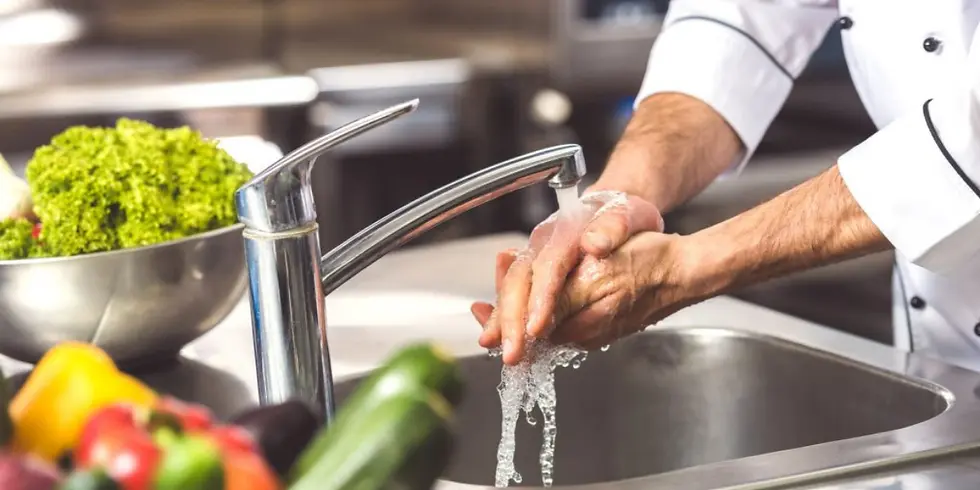
Hand washing demonstration including (proper technique, adequate duration, complete coverage, proper drying)
Food safety scenario practice including (identifying hazards, determining corrective actions, applying safe practices)
Knowledge Assessment
Technical quizzes on food safety concepts including (multiple-choice questions on temperatures, matching exercise for contamination types, pathogen identification)
Scenario-based assessments including (analyzing food handling situations, identifying hazards, determining safe practices)
Temperature control exercises including (identifying proper temperatures, determining cooling methods, verifying cooking doneness)
Hygiene and sanitation evaluation including (assessing hand washing scenarios, cleaning procedures, cross-contamination prevention)
Course Outline
1. Introduction to Food Safety and Foodborne Illness
Food safety importance including (public health protection, legal compliance, business reputation, customer trust)
Foodborne illness including (causes, symptoms, vulnerable populations, outbreak prevention)
Common pathogens including (Salmonella, E. coli, Norovirus, Listeria, Staphylococcus aureus)
Contamination types including (biological, chemical, physical, allergen)
Food handler responsibility including (safe practices, vigilance, reporting illness, continuous learning)
2. Personal Hygiene and Health
Hand washing including (when to wash, proper technique, soap and water, 20 seconds, drying)
Hand washing times including (before work, after restroom, after touching contamination sources, between tasks)
Personal cleanliness including (clean clothing, hair restraints, trimmed nails, no jewelry)
Illness reporting including (vomiting, diarrhea, jaundice, sore throat with fever, infected wounds)
Wound coverage including (waterproof bandage, glove protection, exclusion from food contact)
3. Cross-Contamination Prevention
Cross-contamination definition including (transfer of harmful substances, direct contact, indirect contact)
Preventing cross-contamination including (separate equipment, color coding, physical separation, proper cleaning)
Raw and ready-to-eat separation including (storage separation, preparation areas, utensil designation)
Glove use including (when required, proper use, changing frequency, not substitute for hand washing)
Utensil handling including (handle avoidance, proper storage, single-use items, cleaning between uses)
4. Time and Temperature Control
Temperature Danger Zone including (5°C to 60°C or 41°F to 135°F, bacterial growth range)
Cold food storage including (refrigeration 5°C/41°F or below, freezing -18°C/0°F, proper placement)
Hot food holding including (60°C/135°F or above, monitoring, equipment calibration)
Cooling procedures including (two-stage cooling, shallow containers, ice baths, time limits)
Reheating requirements including (75°C/165°F within 2 hours, rapid reheating, single reheat)
5. Receiving and Storage
Receiving inspection including (temperature check, packaging integrity, expiration dates, quality assessment)
Rejection criteria including (temperature abuse, damaged packaging, expired products, pest evidence)
Storage principles including (first-in-first-out FIFO, proper labeling, date marking, stock rotation)
Storage organization including (ready-to-eat on top, raw meat on bottom, separation, proper containers)
Dry storage including (cool, dry, ventilated, off floor, pest prevention)
6. Safe Food Preparation
Thawing methods including (refrigeration, running water, microwave, cooking from frozen)
Produce washing including (running water, scrubbing, sanitizing when appropriate)
Cooking temperatures including (poultry 75°C/165°F, ground meat 71°C/160°F, whole cuts 63°C/145°F)
Temperature verification including (calibrated thermometer, proper placement, adequate time)
Avoiding bare hand contact including (ready-to-eat foods, utensils, gloves, deli tissue)
7. Serving and Holding Food
Service practices including (proper utensils, sneeze guards, self-service precautions)
Hot holding including (temperature maintenance, stirring, covering, time limits)
Cold holding including (ice bed, refrigeration, temperature monitoring)
Buffet safety including (utensil provision, replenishment, contamination prevention, time control)
Leftovers and returns including (no re-service, proper disposal, contamination risk)
8. Cleaning and Sanitizing
Cleaning versus sanitizing including (soil removal versus pathogen reduction, sequential process)
Cleaning procedures including (scrape, wash, rinse, sanitize, air dry)
Sanitizing methods including (chemical sanitizers, hot water, concentration, contact time, test strips)
Dishwashing including (three-compartment sink, mechanical dishwasher, temperature requirements, chemical levels)
Food contact surface requirements including (smooth, non-absorbent, easily cleanable, good repair)
9. Food Allergen Management
Major allergens including (milk, eggs, fish, shellfish, tree nuts, peanuts, wheat, soy, sesame)
Allergen cross-contact including (shared equipment, airborne particles, ingredient awareness)
Allergen communication including (menu labeling, ingredient disclosure, special requests, kitchen notification)
Allergen prevention including (dedicated equipment, thorough cleaning, ingredient verification)
Emergency response including (recognizing allergic reaction, emergency services, epinephrine awareness)
10. Pest Control and Facility Sanitation
Pest prevention including (deny entry, eliminate food and water, eliminate shelter)
Common pests including (rodents, cockroaches, flies, stored product pests)
Facility maintenance including (proper waste disposal, drain cleanliness, structural integrity)
Integrated pest management including (inspection, prevention, treatment, monitoring)
Professional pest control including (licensed operators, scheduled service, documentation)
11. Case Studies & Group Discussions
Foodborne illness outbreaks including (restaurant outbreaks, catering incidents, contamination sources)
Food safety success stories including (prevention practices, proper procedures, vigilance examples)
Real-world food handling scenarios including (temperature abuse, cross-contamination, hygiene violations)
Lessons from food safety failures including (improper cooling, inadequate hand washing, allergen incidents)
The importance of proper training in developing effective food handler capabilities
Practical Assessment
Food safety practices demonstration including (performing proper hand washing, preventing cross-contamination, checking food temperatures, demonstrating safe food handling)
Cleaning and sanitizing simulation including (cleaning food contact surface, preparing sanitizer solution, verifying chemical concentration, demonstrating proper procedure)
Gained Core Technical Skills
Upon successful completion of this course, participants will have gained the following core technical skills:
Foodborne illness knowledge including (causes, pathogens, prevention, vulnerable populations)
Personal hygiene including (hand washing technique, timing, cleanliness standards, illness reporting)
Cross-contamination prevention including (separation, equipment designation, proper handling, glove use)
Temperature control including (danger zone, storage temperatures, cooking temperatures, holding requirements)
Time and temperature abuse prevention including (cooling procedures, reheating, monitoring, thermometer use)
Receiving and storage including (inspection, rejection criteria, FIFO, proper organization)
Safe preparation including (thawing methods, produce washing, cooking verification, bare hand contact avoidance)
Serving practices including (hot holding, cold holding, buffet safety, service hygiene)
Cleaning and sanitizing including (procedure steps, sanitizer use, dishwashing, surface requirements)
Allergen management including (major allergens, cross-contact prevention, communication, emergency awareness)
Training Design Methodology
ADDIE Training Design Methodology
Targeted Audience
Food Service Workers handling food
Restaurant Staff preparing and serving food
Kitchen Personnel cooking and processing food
Catering Staff providing food services
Retail Food Handlers working in grocery stores
Cafeteria Workers serving institutional food
Food Truck Operators preparing mobile food
New Food Industry Employees requiring certification
Why Choose This Course
Comprehensive coverage of food handler requirements from hygiene to safe service
Integration of food safety regulations and best practices
Focus on practical application through demonstrations and exercises
Development of both knowledge and safe handling competencies
Emphasis on cross-contamination and temperature control
Exposure to diverse food safety scenarios and situations
Enhancement of hygiene awareness and sanitation skills
Building of comprehensive food handler competencies for public health protection and regulatory compliance
Note
Note: This course outline, including specific topics, modules, and duration, can be customized based on the specific needs and requirements of the client.
Course Outline
1. Introduction to Food Safety and Foodborne Illness
Food safety importance including (public health protection, legal compliance, business reputation, customer trust)
Foodborne illness including (causes, symptoms, vulnerable populations, outbreak prevention)
Common pathogens including (Salmonella, E. coli, Norovirus, Listeria, Staphylococcus aureus)
Contamination types including (biological, chemical, physical, allergen)
Food handler responsibility including (safe practices, vigilance, reporting illness, continuous learning)
2. Personal Hygiene and Health
Hand washing including (when to wash, proper technique, soap and water, 20 seconds, drying)
Hand washing times including (before work, after restroom, after touching contamination sources, between tasks)
Personal cleanliness including (clean clothing, hair restraints, trimmed nails, no jewelry)
Illness reporting including (vomiting, diarrhea, jaundice, sore throat with fever, infected wounds)
Wound coverage including (waterproof bandage, glove protection, exclusion from food contact)
3. Cross-Contamination Prevention
Cross-contamination definition including (transfer of harmful substances, direct contact, indirect contact)
Preventing cross-contamination including (separate equipment, color coding, physical separation, proper cleaning)
Raw and ready-to-eat separation including (storage separation, preparation areas, utensil designation)
Glove use including (when required, proper use, changing frequency, not substitute for hand washing)
Utensil handling including (handle avoidance, proper storage, single-use items, cleaning between uses)
4. Time and Temperature Control
Temperature Danger Zone including (5°C to 60°C or 41°F to 135°F, bacterial growth range)
Cold food storage including (refrigeration 5°C/41°F or below, freezing -18°C/0°F, proper placement)
Hot food holding including (60°C/135°F or above, monitoring, equipment calibration)
Cooling procedures including (two-stage cooling, shallow containers, ice baths, time limits)
Reheating requirements including (75°C/165°F within 2 hours, rapid reheating, single reheat)
5. Receiving and Storage
Receiving inspection including (temperature check, packaging integrity, expiration dates, quality assessment)
Rejection criteria including (temperature abuse, damaged packaging, expired products, pest evidence)
Storage principles including (first-in-first-out FIFO, proper labeling, date marking, stock rotation)
Storage organization including (ready-to-eat on top, raw meat on bottom, separation, proper containers)
Dry storage including (cool, dry, ventilated, off floor, pest prevention)
6. Safe Food Preparation
Thawing methods including (refrigeration, running water, microwave, cooking from frozen)
Produce washing including (running water, scrubbing, sanitizing when appropriate)
Cooking temperatures including (poultry 75°C/165°F, ground meat 71°C/160°F, whole cuts 63°C/145°F)
Temperature verification including (calibrated thermometer, proper placement, adequate time)
Avoiding bare hand contact including (ready-to-eat foods, utensils, gloves, deli tissue)
7. Serving and Holding Food
Service practices including (proper utensils, sneeze guards, self-service precautions)
Hot holding including (temperature maintenance, stirring, covering, time limits)
Cold holding including (ice bed, refrigeration, temperature monitoring)
Buffet safety including (utensil provision, replenishment, contamination prevention, time control)
Leftovers and returns including (no re-service, proper disposal, contamination risk)
8. Cleaning and Sanitizing
Cleaning versus sanitizing including (soil removal versus pathogen reduction, sequential process)
Cleaning procedures including (scrape, wash, rinse, sanitize, air dry)
Sanitizing methods including (chemical sanitizers, hot water, concentration, contact time, test strips)
Dishwashing including (three-compartment sink, mechanical dishwasher, temperature requirements, chemical levels)
Food contact surface requirements including (smooth, non-absorbent, easily cleanable, good repair)
9. Food Allergen Management
Major allergens including (milk, eggs, fish, shellfish, tree nuts, peanuts, wheat, soy, sesame)
Allergen cross-contact including (shared equipment, airborne particles, ingredient awareness)
Allergen communication including (menu labeling, ingredient disclosure, special requests, kitchen notification)
Allergen prevention including (dedicated equipment, thorough cleaning, ingredient verification)
Emergency response including (recognizing allergic reaction, emergency services, epinephrine awareness)
10. Pest Control and Facility Sanitation
Pest prevention including (deny entry, eliminate food and water, eliminate shelter)
Common pests including (rodents, cockroaches, flies, stored product pests)
Facility maintenance including (proper waste disposal, drain cleanliness, structural integrity)
Integrated pest management including (inspection, prevention, treatment, monitoring)
Professional pest control including (licensed operators, scheduled service, documentation)
11. Case Studies & Group Discussions
Foodborne illness outbreaks including (restaurant outbreaks, catering incidents, contamination sources)
Food safety success stories including (prevention practices, proper procedures, vigilance examples)
Real-world food handling scenarios including (temperature abuse, cross-contamination, hygiene violations)
Lessons from food safety failures including (improper cooling, inadequate hand washing, allergen incidents)
The importance of proper training in developing effective food handler capabilities
Why Choose This Course?
Comprehensive coverage of food handler requirements from hygiene to safe service
Integration of food safety regulations and best practices
Focus on practical application through demonstrations and exercises
Development of both knowledge and safe handling competencies
Emphasis on cross-contamination and temperature control
Exposure to diverse food safety scenarios and situations
Enhancement of hygiene awareness and sanitation skills
Building of comprehensive food handler competencies for public health protection and regulatory compliance
Note: This course outline, including specific topics, modules, and duration, can be customized based on the specific needs and requirements of the client.
Practical Assessment
Food safety practices demonstration including (performing proper hand washing, preventing cross-contamination, checking food temperatures, demonstrating safe food handling)
Cleaning and sanitizing simulation including (cleaning food contact surface, preparing sanitizer solution, verifying chemical concentration, demonstrating proper procedure)
Course Overview
This comprehensive Food Handler training course equips participants with essential knowledge and practical skills required for handling food safely, preventing foodborne illness, and maintaining sanitary food service operations. The course covers fundamental food safety principles along with practical techniques for personal hygiene, cross-contamination prevention, temperature control, safe food preparation, and cleaning and sanitation to enable food handlers to prepare, store, and serve food safely while complying with food safety regulations and protecting public health.
Participants will learn to apply proven methodologies including Personal Hygiene standards, Cross-Contamination Prevention, Temperature Control principles, Time and Temperature Abuse prevention, Cleaning and Sanitizing procedures, and Allergen Management protocols to maintain personal cleanliness, prevent contamination, control bacterial growth, handle food properly, clean and sanitize effectively, and protect customers from foodborne illness. This course combines theoretical concepts with practical applications and real-world case studies to ensure participants gain valuable skills applicable to their professional environment while emphasizing food safety culture, regulatory compliance, public health protection, and professional responsibility.
Key Learning Objectives
Understand foodborne illness causes and prevention
Apply proper personal hygiene and health practices
Prevent cross-contamination during food handling
Control food temperatures for safety
Store, prepare, and serve food safely
Clean and sanitize equipment and surfaces effectively
Manage food allergens and special dietary needs
Ensure compliance with food safety regulations
Knowledge Assessment
Technical quizzes on food safety concepts including (multiple-choice questions on temperatures, matching exercise for contamination types, pathogen identification)
Scenario-based assessments including (analyzing food handling situations, identifying hazards, determining safe practices)
Temperature control exercises including (identifying proper temperatures, determining cooling methods, verifying cooking doneness)
Hygiene and sanitation evaluation including (assessing hand washing scenarios, cleaning procedures, cross-contamination prevention)
Targeted Audience
Food Service Workers handling food
Restaurant Staff preparing and serving food
Kitchen Personnel cooking and processing food
Catering Staff providing food services
Retail Food Handlers working in grocery stores
Cafeteria Workers serving institutional food
Food Truck Operators preparing mobile food
New Food Industry Employees requiring certification
Main Service Location
Suggested Products
This item is connected to a text field in your database. Double click the dataset icon to add your own content.

National Grid Safety Rules
This item is connected to a text field in your database. Double click the dataset icon to add your own content.

Scaffolding Supervision
This item is connected to a text field in your database. Double click the dataset icon to add your own content.

HAZMAT Awareness
This item is connected to a text field in your database. Double click the dataset icon to add your own content.

Noise Monitoring
This item is connected to a text field in your database. Double click the dataset icon to add your own content.

Total Quality Management
This item is connected to a text field in your database. Double click the dataset icon to add your own content.

Fire Fighting Awareness
This item is connected to a text field in your database. Double click the dataset icon to add your own content.

Offroad Testing
This item is connected to a text field in your database. Double click the dataset icon to add your own content.

Emergency Response Awareness
This item is connected to a text field in your database. Double click the dataset icon to add your own content.

